
Choosing the Right Small Animal
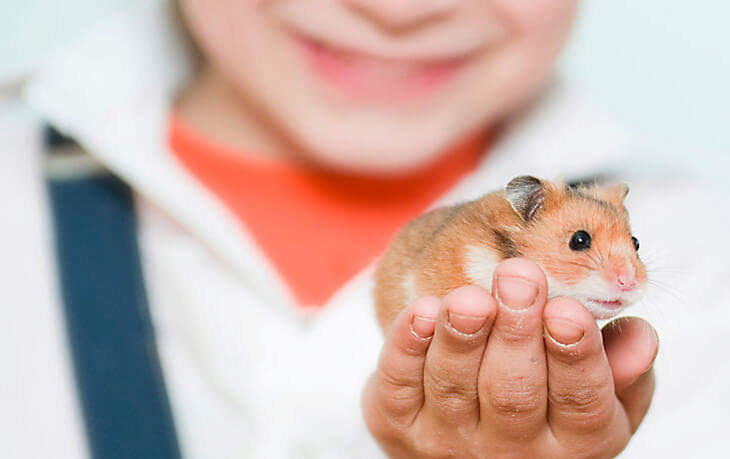
The lifespan of your pet should also be considered. Some small animals live for only a few years, such as hamsters, gerbils, mice, and rats. With proper care, chinchillas can live 10-15 years. Rabbits and ferrets live about six to eight years.
Whether you choose a hamster or a chinchilla, small animals make excellent pets and companions. With proper care, food, living space, and love, your new pet will become part of the family. Doing research before you buy or adopt your new pet will help you make a great fit when your new family member comes home.
Kaytee has all the products you need to enjoy your new small animal — small animal food, treats, bedding and even small animal toys. But, before you purchase the supplies, you need to decide what kind of small animal is best for you and your family.
One thing to consider is who will be the animal's primary caregiver. Hamsters, gerbils, and mice make great pets for kids. They are often kept in smaller sized habitats that can be placed in a child’s bedroom or family area. Being nocturnal in nature, they tend to sleep throughout the day and become more active at night. If handled properly, they can be very gentle and tame when held.
While rats require a larger living area than hamsters, gerbils, and mice, they are very affectionate pets. With a little patience, rats can even be taught tricks! Chinchillas, on the other hand, require slightly gentler care and require much cooler temperatures. Their extremely soft and dense fur requires frequent dust baths to keep it clean.
Small animal pets such as rabbits and ferrets are social creatures with a lot of energy, running around, playing, and needing space to romp. They also need more human interaction. Guinea pigs are very low energy animals and like to stay in one place most of the time. While lower in energy, guinea pigs prefer to have the company of another guinea. Consider keeping them in pairs to keep him or her from becoming lonely.
Small animal pets such as rabbits and ferrets are social creatures with a lot of energy, running around, playing, and needing space to romp. They also need more human interaction. Guinea pigs are very low energy animals and like to stay in one place most of the time.
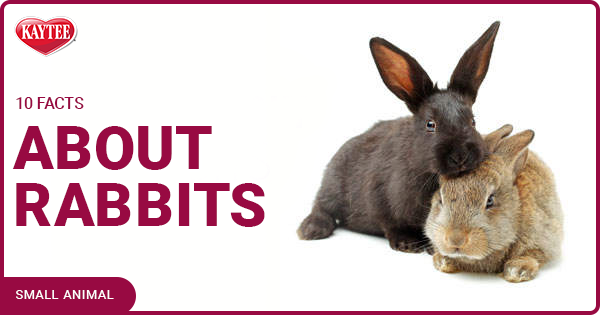
10 Facts about Rabbits
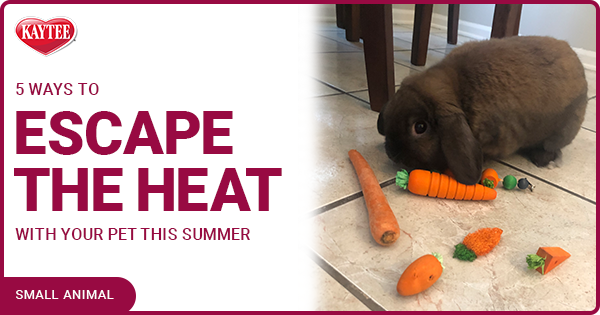
5 Ways To Escape The Heat With Your Pet This Summer
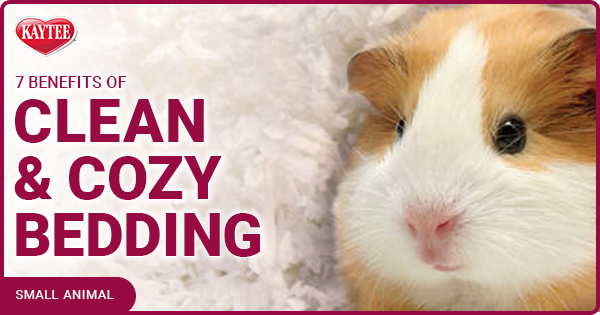
7 Benefits of Clean & Cozy Pet Bedding
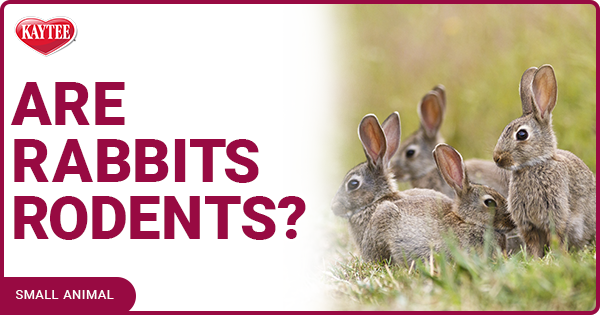
Are Rabbits Rodents?
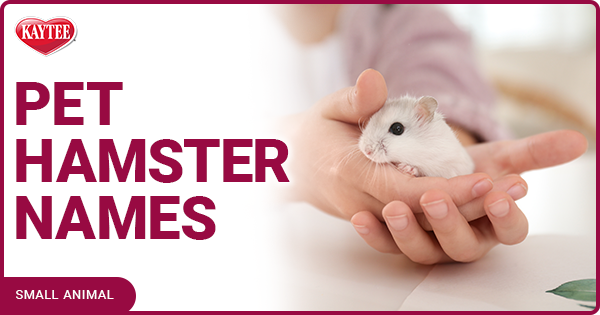
Best Pet Hamster Names For Your Furry Friend
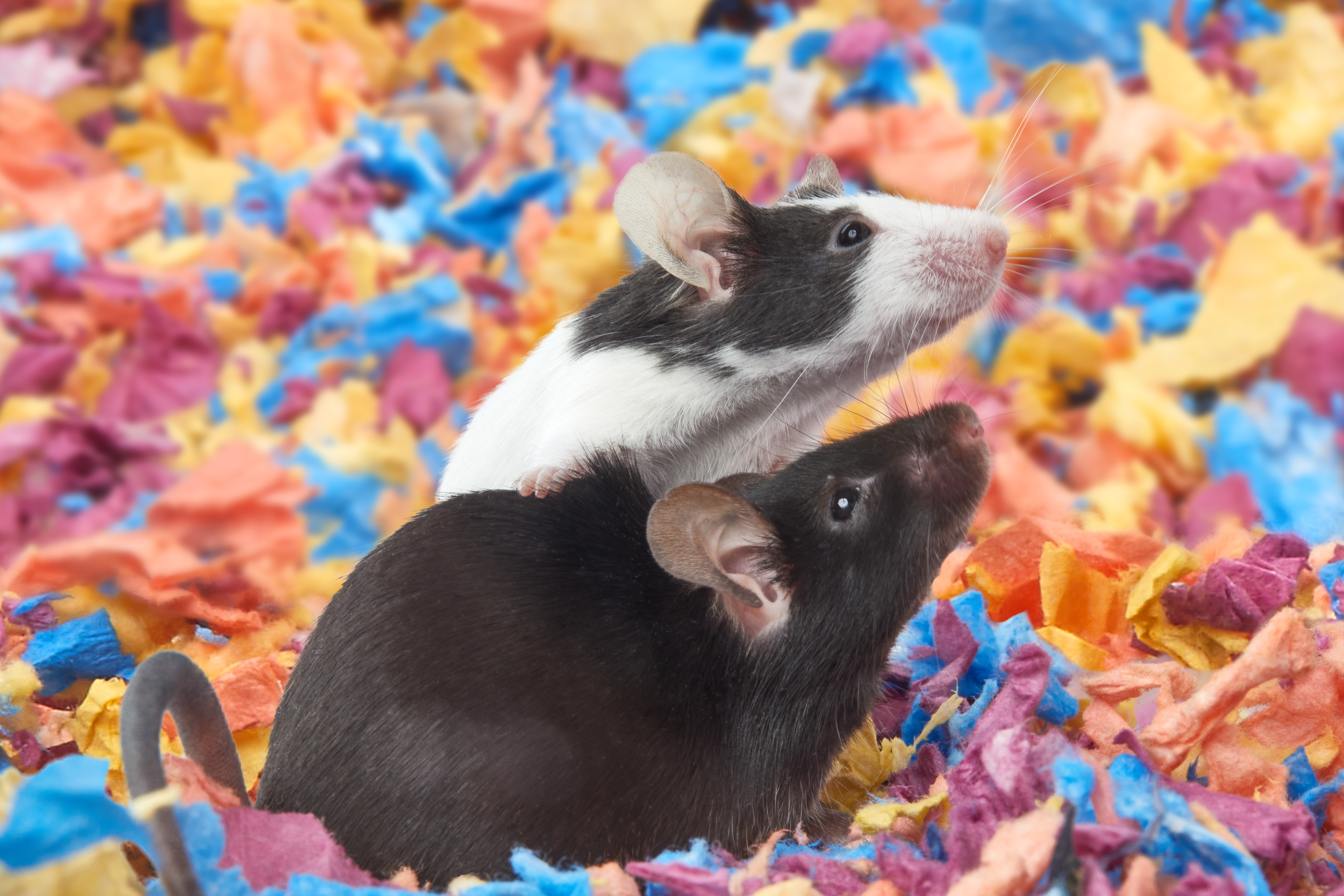
Choosing the Right Bedding and Litter for Your Small Animal
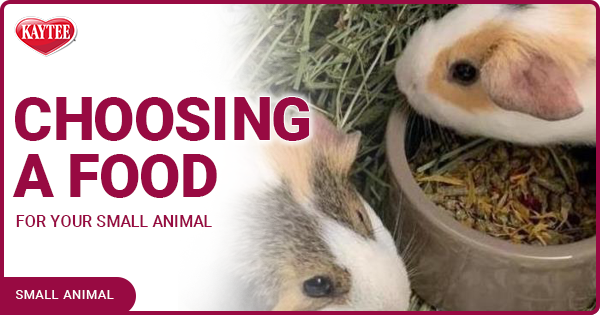
Choosing a Food for Your Small Animal
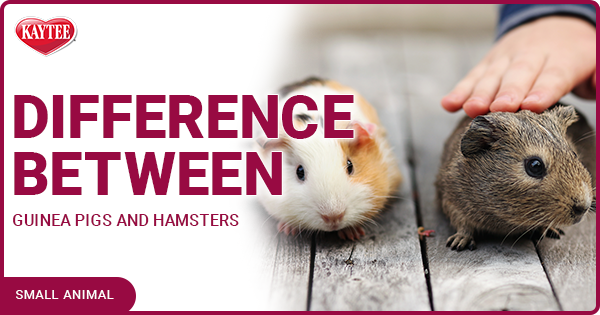
Difference Between Guinea Pigs and Hamsters
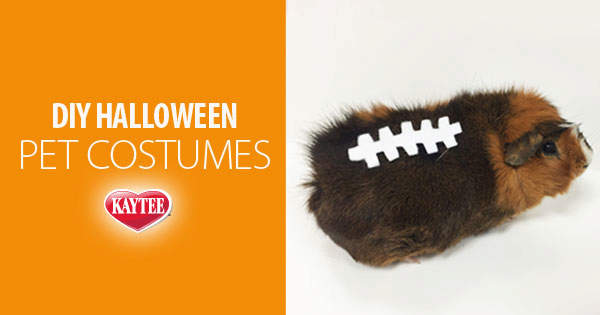
DIY Halloween Costume Ideas for your Pet
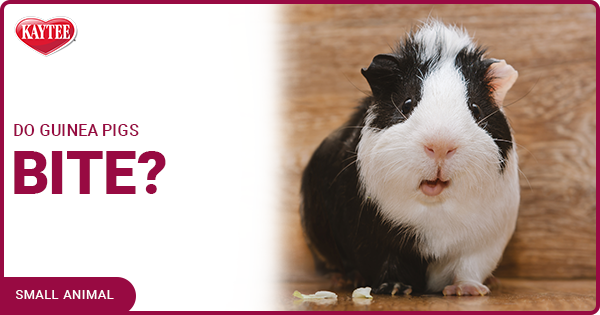
Do Guinea Pigs Bite